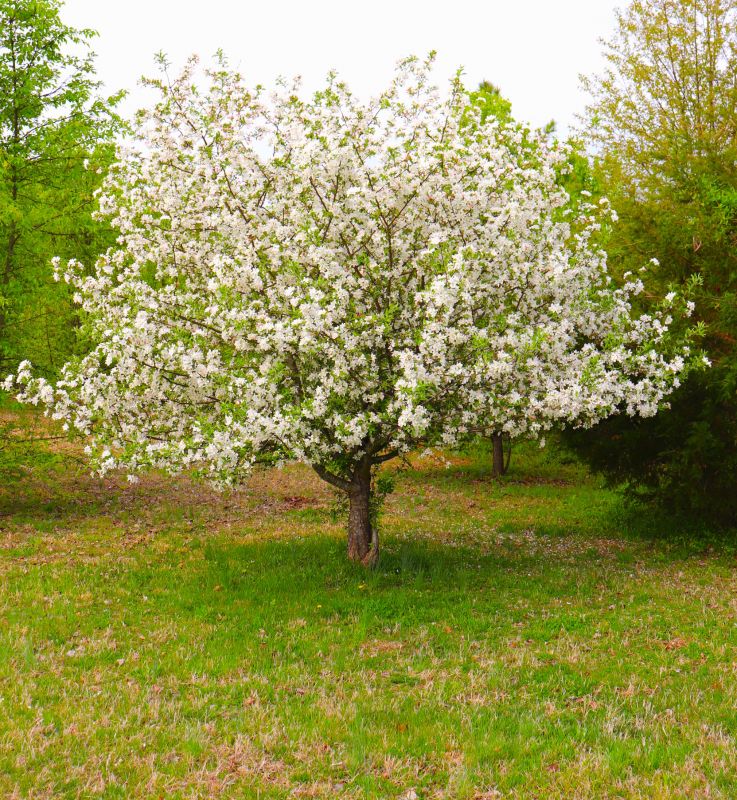
Dogwood Tree Removal in Doylestown, PA
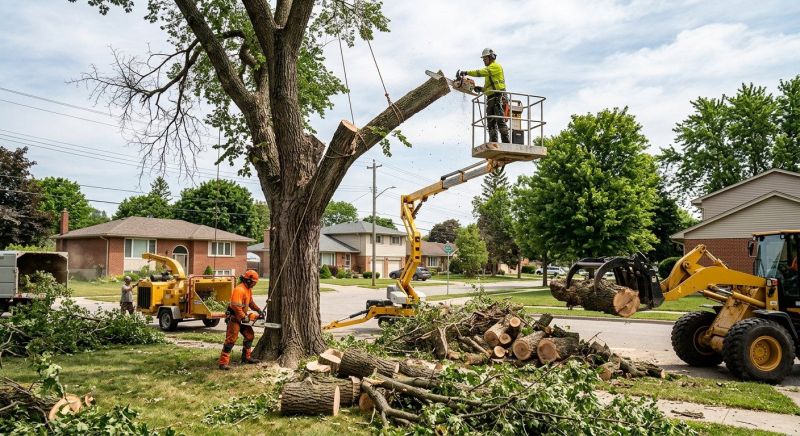
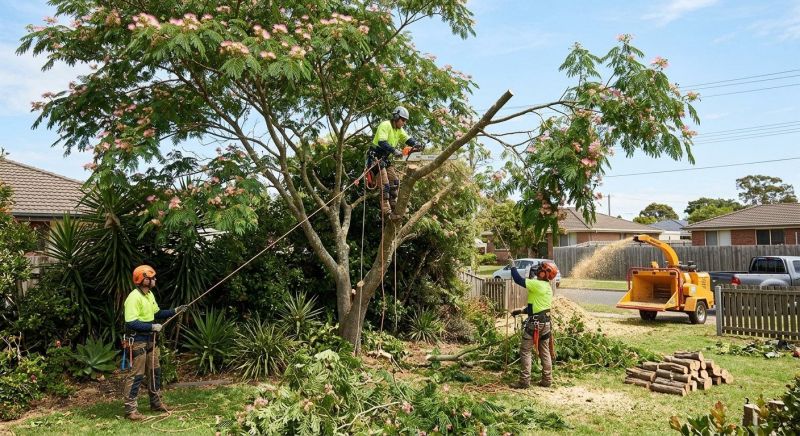
Dogwood tree removal services involve the careful and efficient removal of dogwood trees that are dead, damaged, or pose a risk to property or safety. This type of project typically includes assessing the tree’s condition, planning the safest method for removal, and executing the process to prevent damage to surrounding landscaping or structures. Property owners often seek this service when a dogwood tree has become diseased, is overgrown, or is interfering with construction or other landscape plans.
Before requesting dogwood tree removal, property owners should consider the size and location of the tree, as well as any potential impacts on nearby structures or utilities. It is also helpful to understand the reasons for removal, such as health concerns or aesthetic preferences, and to inquire about the process for stump grinding or disposal afterward. Clarifying these details can ensure the project proceeds smoothly and meets the property's needs.
Many property owners in Doylestown, PA look into Dogwood Tree Removal for repairs, replacements, upgrades, and appearance-related improvements.
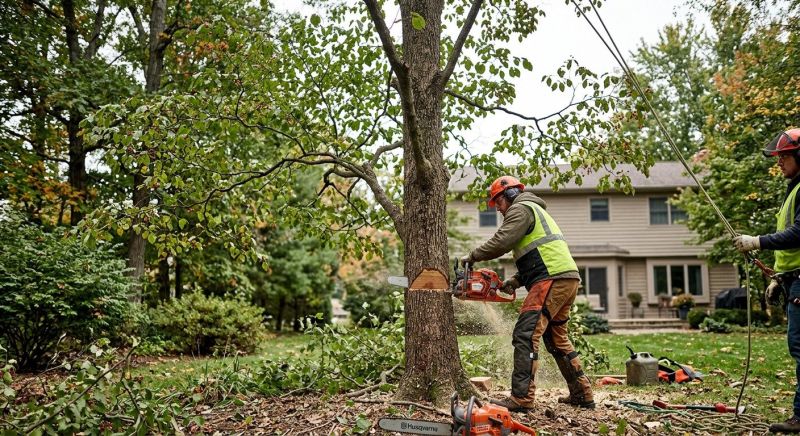
Tree Removal For Safety
Removing damaged or overgrown dogwood trees helps prevent potential hazards on your property.
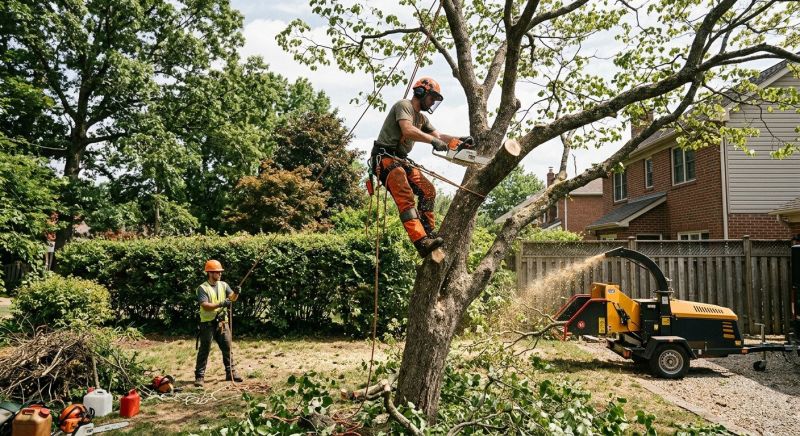
Property Enhancement
Properly removing dogwood trees can improve the appearance and functionality of outdoor spaces.
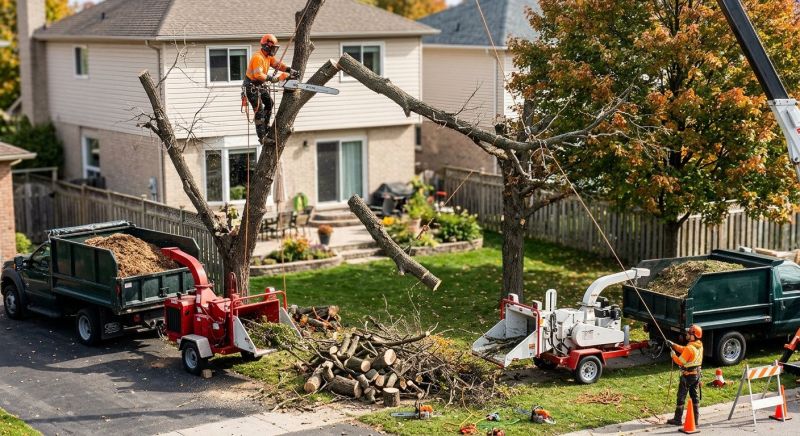
Storm Damage Response
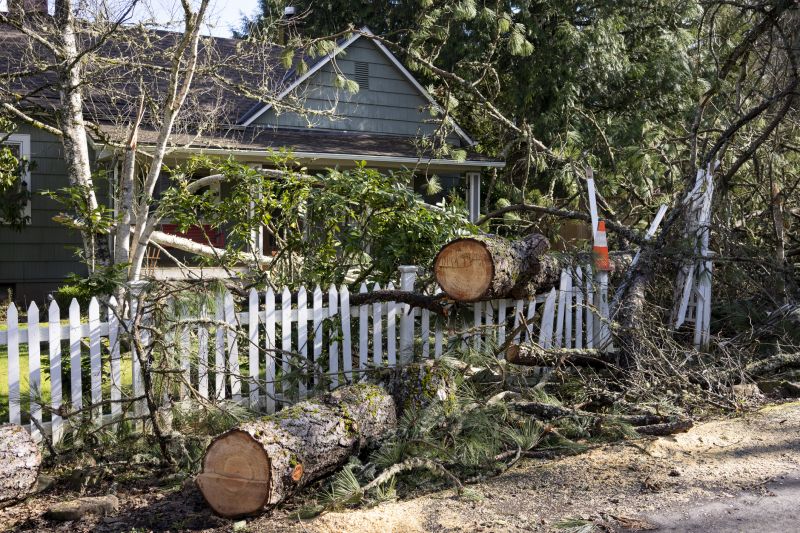
Quick removal of fallen or broken dogwood trees minimizes damage and maintains landscape integrity in doylestown, pa.
Dogwood Tree Removal in Doylestown, PA

Dogwood tree removal services involve the careful and efficient removal of dogwood trees that are dead, damaged, or pose a risk to property or safety. This type of project typically includes assessing the tree’s condition, planning the safest method for removal, and executing the process to prevent damage to surrounding landscaping or structures. Property owners often seek this service when a dogwood tree has become diseased, is overgrown, or is interfering with construction or other landscape plans.
Before requesting dogwood tree removal, property owners should consider the size and location of the tree, as well as any potential impacts on nearby structures or utilities. It is also helpful to understand the reasons for removal, such as health concerns or aesthetic preferences, and to inquire about the process for stump grinding or disposal afterward. Clarifying these details can ensure the project proceeds smoothly and meets the property's needs.
Many property owners in Doylestown, PA look into Dogwood Tree Removal for repairs, replacements, upgrades, and appearance-related improvements.
Common Dogwood Tree Removal Jobs
Tree Removal - safely removing dogwood trees that are diseased or pose a hazard.
Stump Grinding - eliminating remaining stumps to improve landscape safety and appearance.
Emergency Tree Removal - addressing storm-damaged or fallen dogwoods promptly.
Selective Tree Removal - removing specific trees to enhance property views or prevent overcrowding.
Root Removal - extracting invasive roots that threaten nearby structures or landscaping.
Tree Clearing - clearing large areas of dogwoods for new construction or landscaping projects.
Dogwood Tree Removal Questions
Why might dogwood tree removal be necessary? Removal may be needed if the tree is diseased, damaged, or poses a safety risk to the property.
What should homeowners consider before removing a dogwood tree? It's important to evaluate the tree's health, location, and potential impact on the landscape before removal.
Are there any benefits to removing an old or overgrown dogwood? Removing such trees can improve yard aesthetics, prevent damage to structures, and allow space for new plantings.
What is involved in the dogwood tree removal process? The process typically includes assessing the tree, safely cutting it down, and removing debris from the property.
Request Dogwood Tree Removal in Doylestown, PA
Use the quote form on this page to share the basics of your project and request more information for the type of work you need.